ARMANDO MARROCCO
b. Galatina, 1939
Armando Marrocco was born in Galatina, Puglia, in the heart of the Salento, on 8 February 1939. As a boy he worked first in a tinsmith’s workshop and then in a stonemason’s yard, where he acquired a profound understanding of the potential of materials. That fascination with matter has remained the defining thread of his work. He graduated from the Istituto Statale d’Arte in Lecce in 1959 and stayed on to teach sculpture. He might well have remained there had Lucio Fontana not seen his early Informal paintings and urged him to move to Milan.
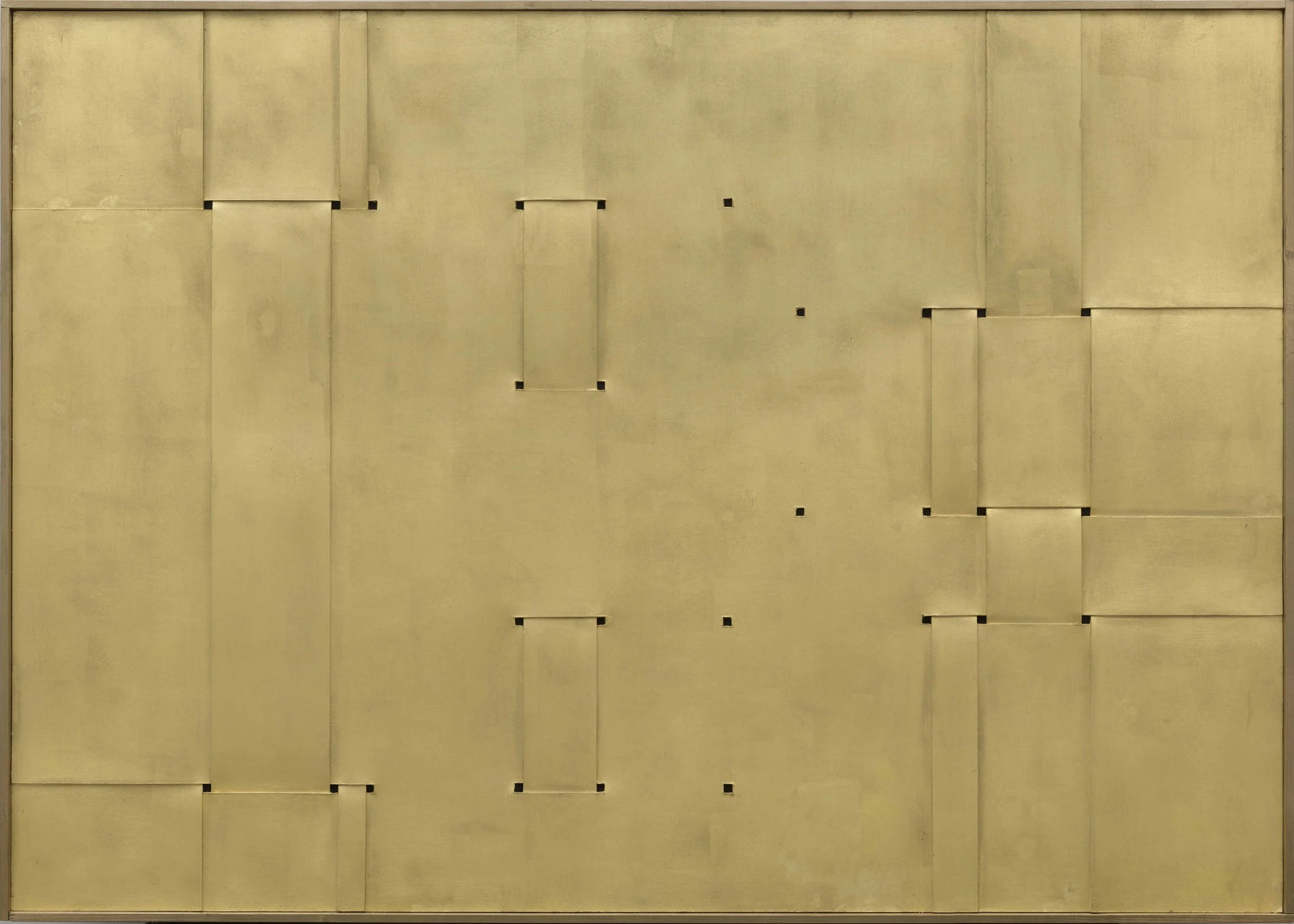
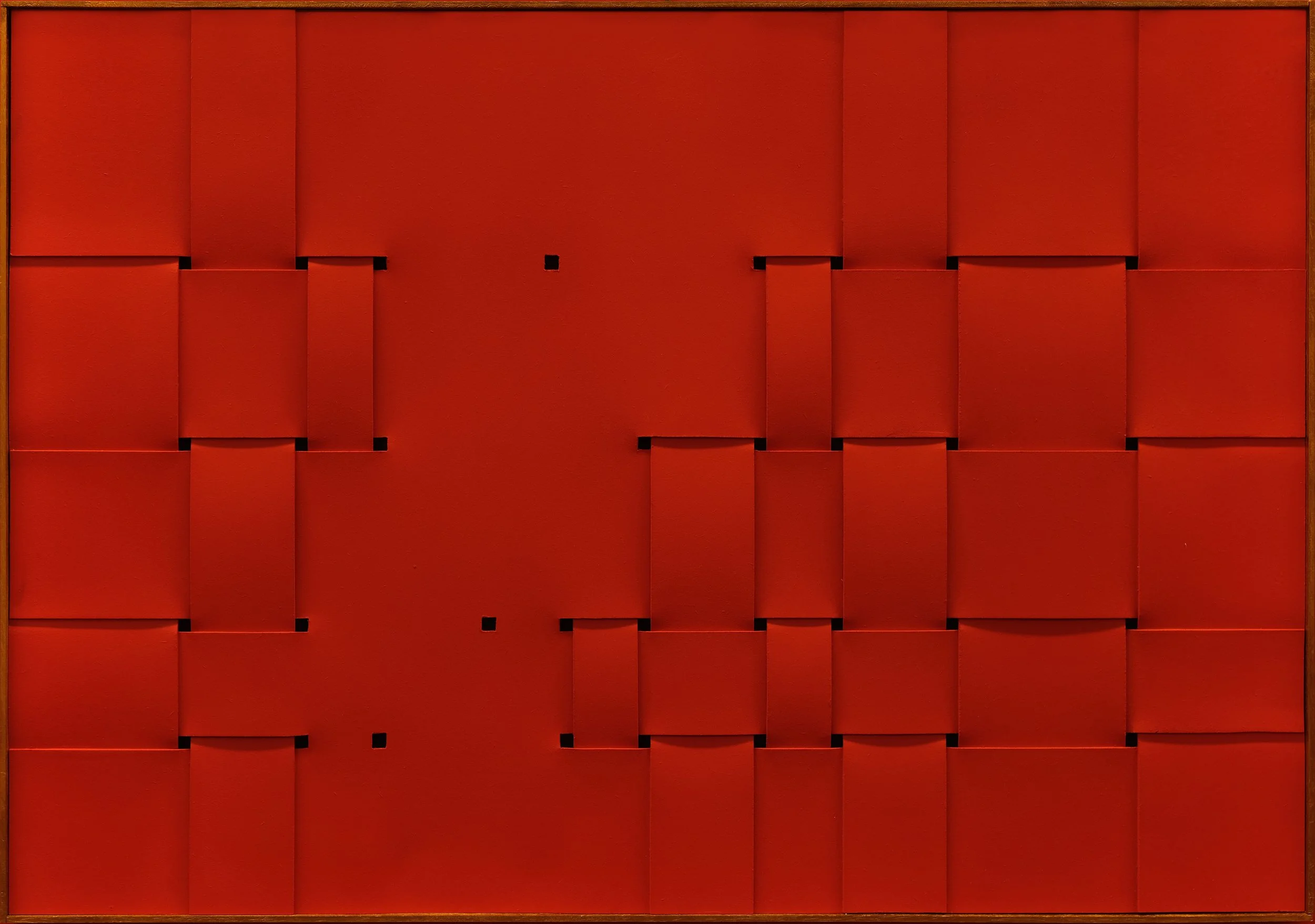
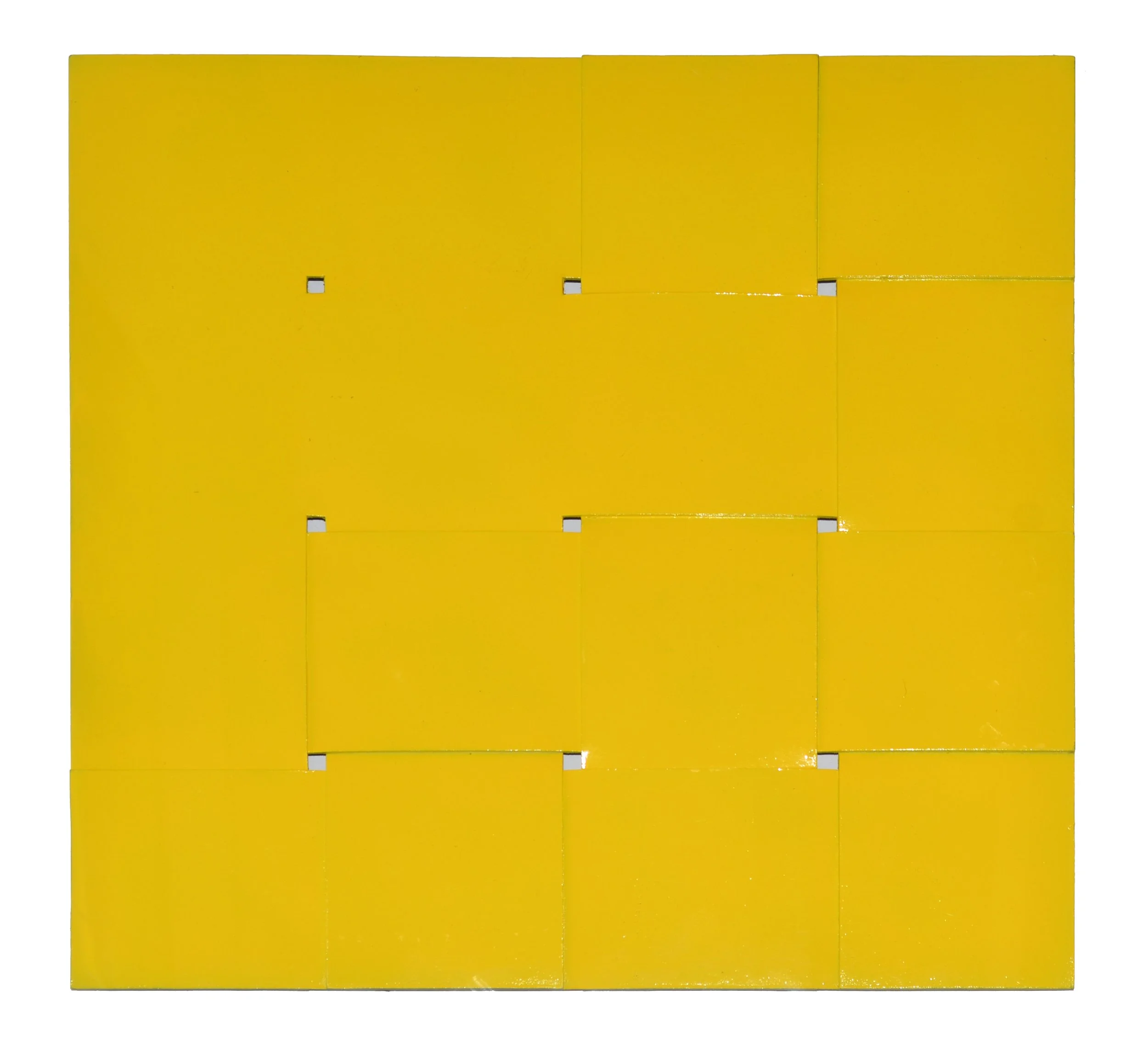
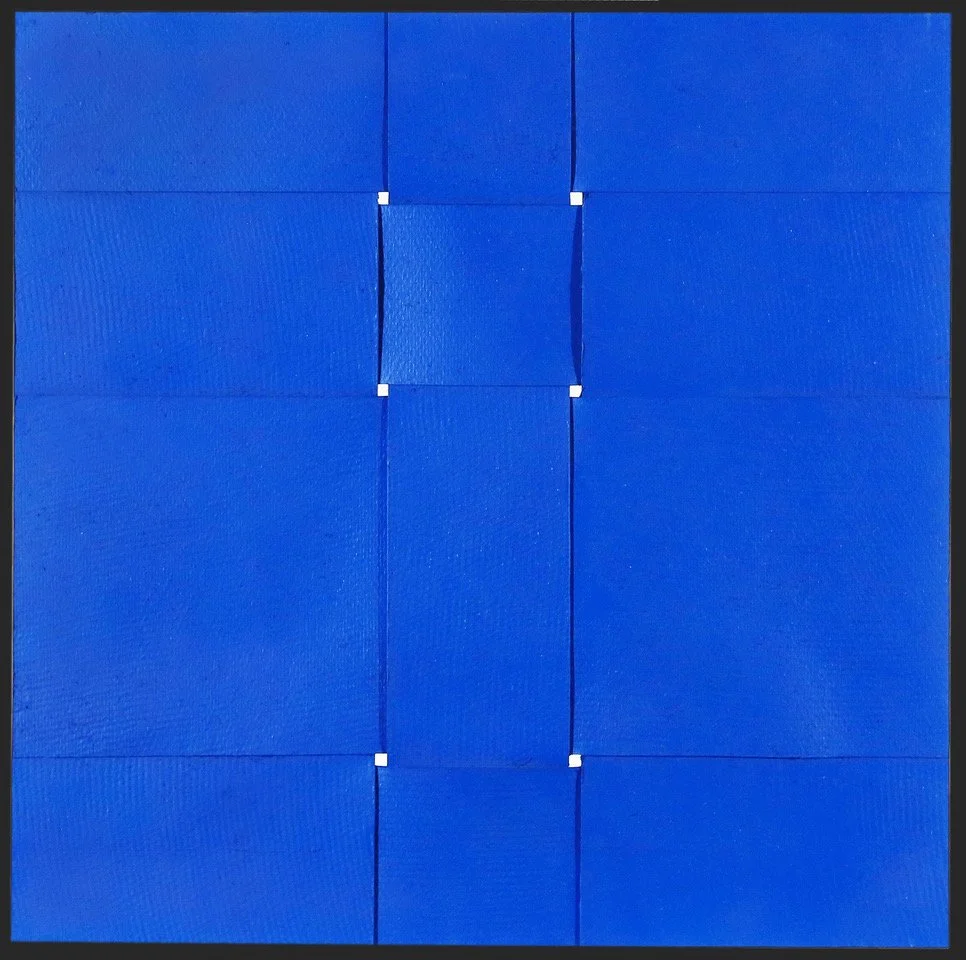
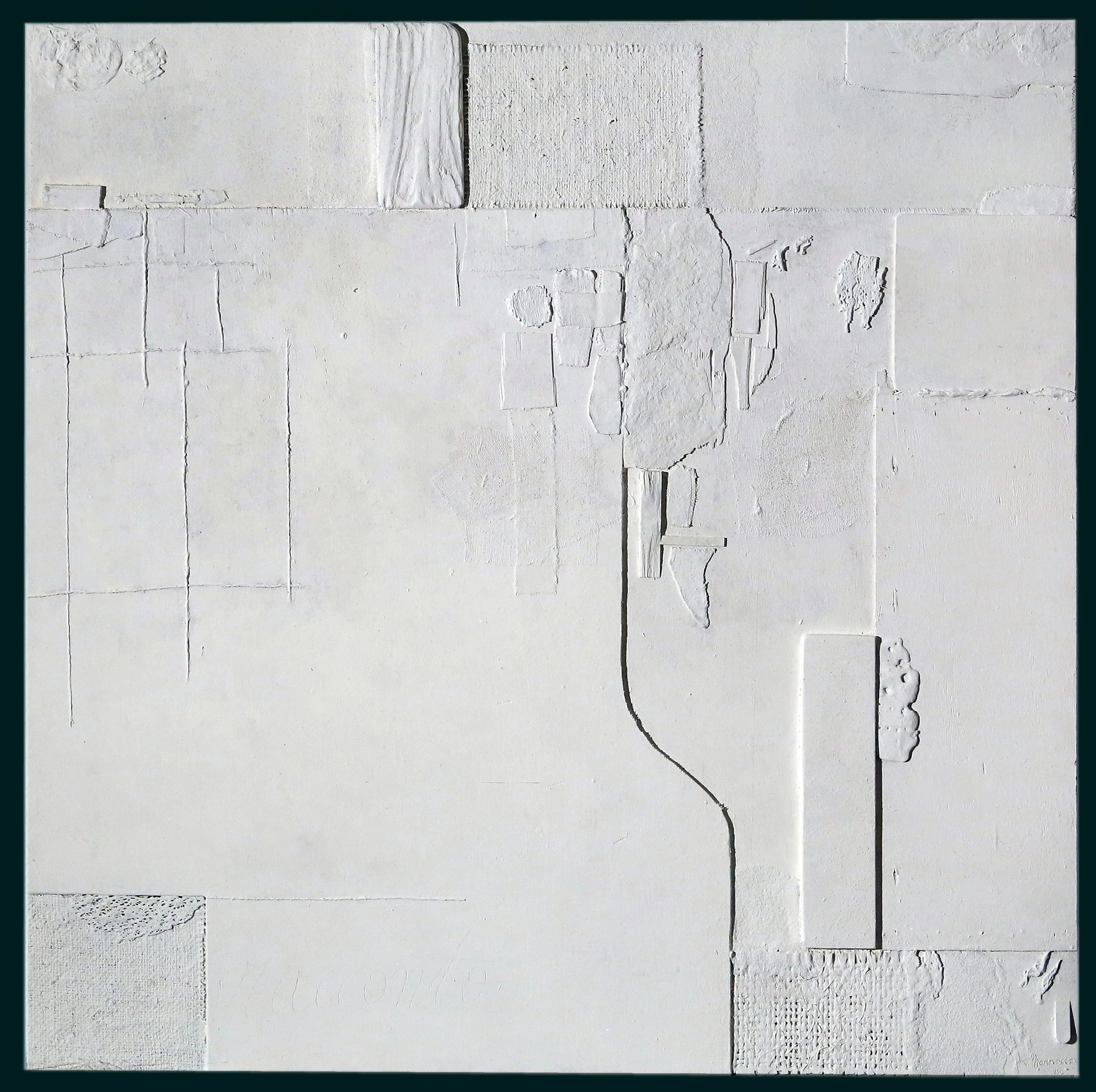
Marrocco arrived in the city at the end of 1962 and, for a short time, lived with Piero Manzoni, who would die only months later. At the time Milan was a pivotal centre of both Italian art and design, worlds that constantly overlapped. To support himself he worked in industrial design studios, including the design department of Innocenti, while developing his own artistic practice. From this dual life emerged his first Intrecci, woven reliefs made from strips of cardboard and packing materials sealed beneath monochrome enamel. Their quiet geometry, based on the Golden Ratio and the mathematical harmonies of Renaissance mathematicians Fibonacci and Luca Pacioli, creates subtle depth through light and shadow. By 1966 these woven structures had also evolved into polished steel. That same year Galleria Montenapoleone presented his first solo exhibition in Milan. A year later Bruno Alfieri exhibited Gli spazi multipli at Rizzato Withworth, while the Premio Silvestro Lega awarded him second prize alongside fellow artist Mario Nigro.
One of the greatest influences on Marrocco’s career was his friendship with the French critic and founder of Nouveau Réalisme, Pierre Restany. Restany recognised in Marrocco an artist whose work moved beyond traditional painting towards a new understanding of material, space and perception, and drew him into the movement’s orbit in Milan. In 1970, for the tenth anniversary of Nouveau Réalisme, he placed Marrocco alongside Jean Tinguely, François Dufrêne and Rico Weber for the installation and pyrotechnic detonation of the Vittoria in Piazza Duomo and Yves Klein for liturgical projects. For more than three decades he promoted Marrocco internationally, inviting him to participate in major projects, writing key essays on his work and securing important commissions, including the Città Palafitta for Seoul’s Olympic Park in 1988. Their relationship extended beyond professional support. Both shared a conviction that contemporary art should remain open to nature, transformation and lived experience. Marrocco’s Uomo e formica of 1968, presented at the Galleria Apollinaire in 1971 with two thousand living ants inhabiting a Plexiglas vitrine, anticipated many of Restany’s later ecologically concerned writings.
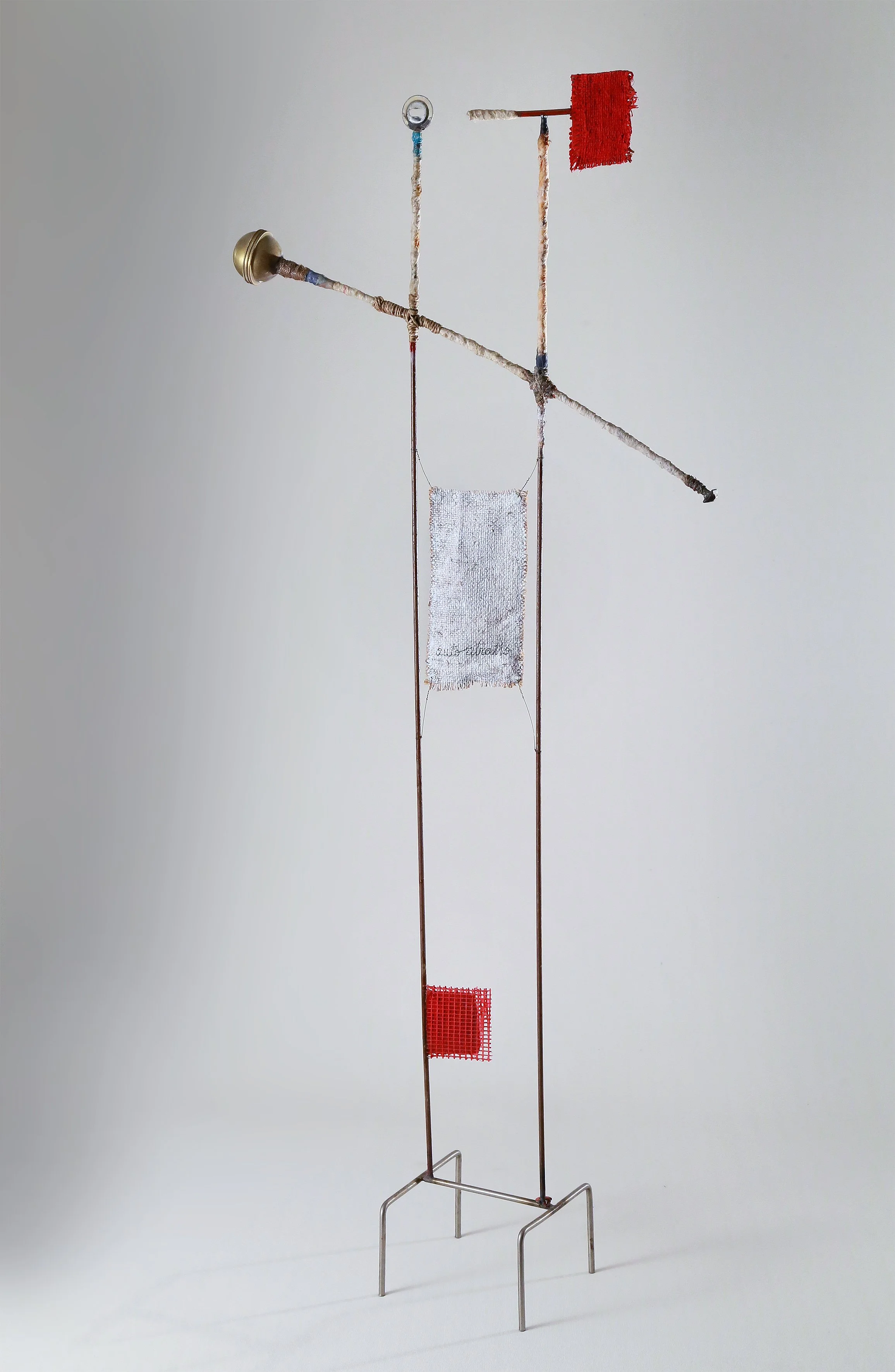
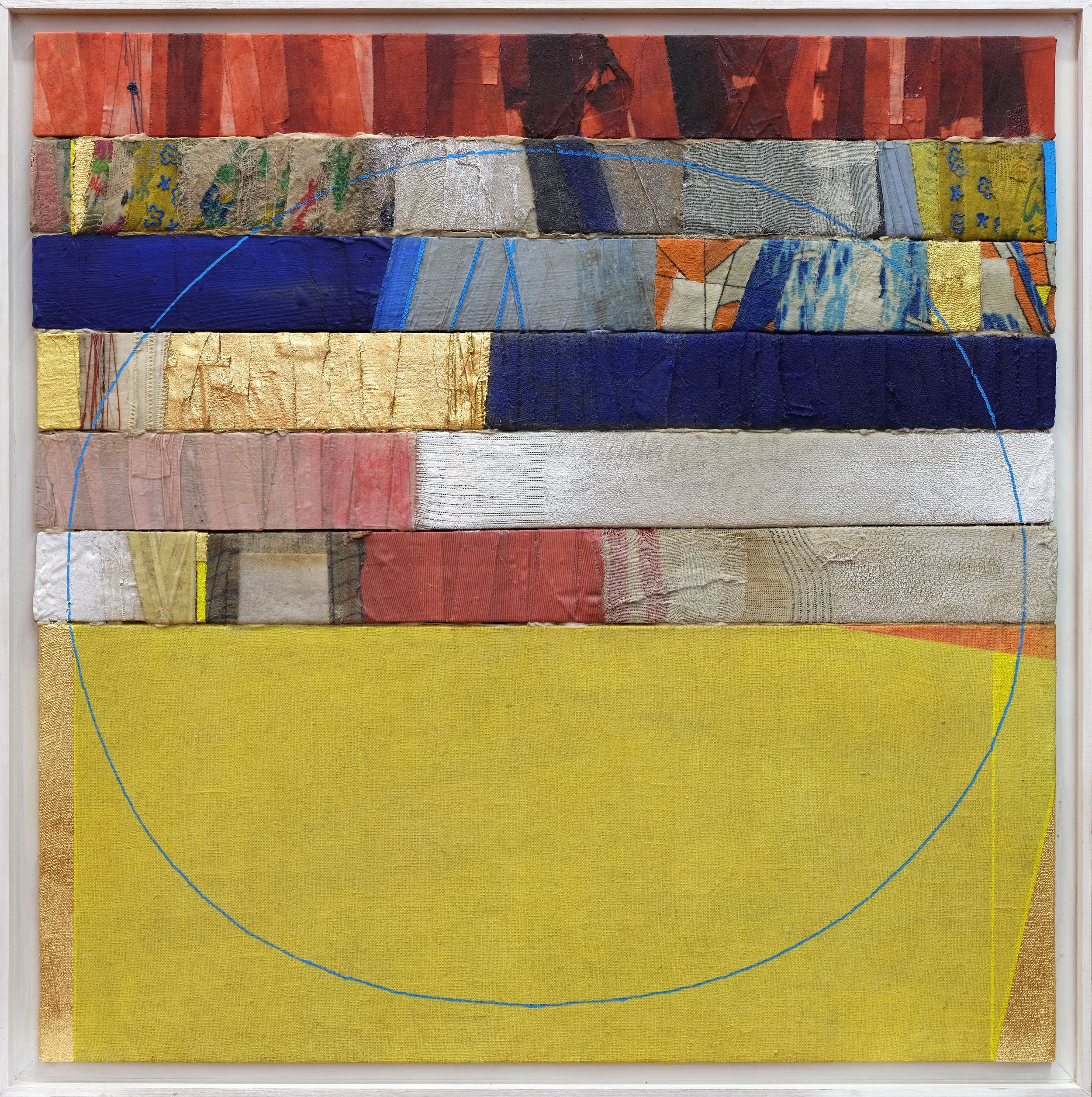
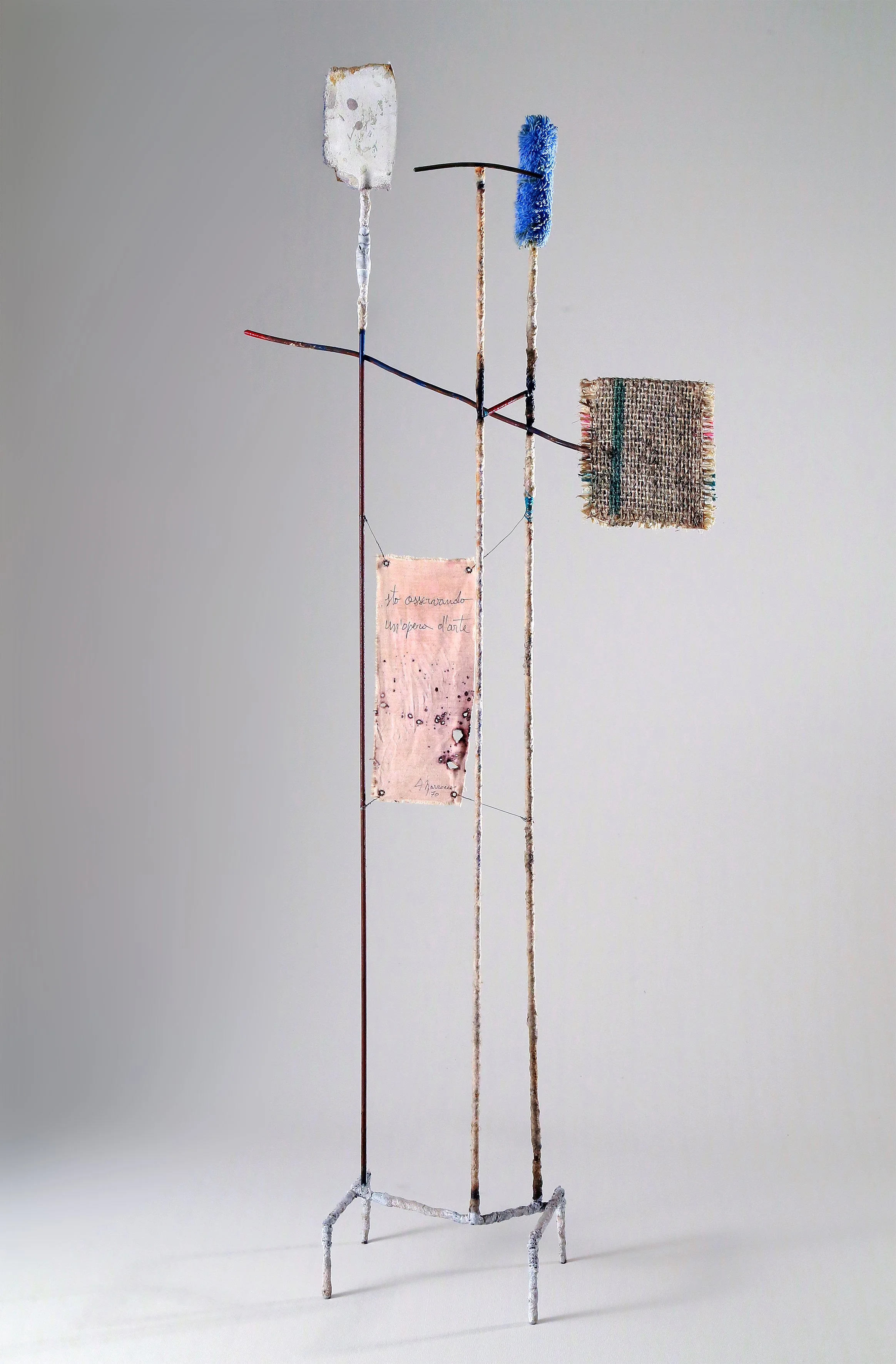
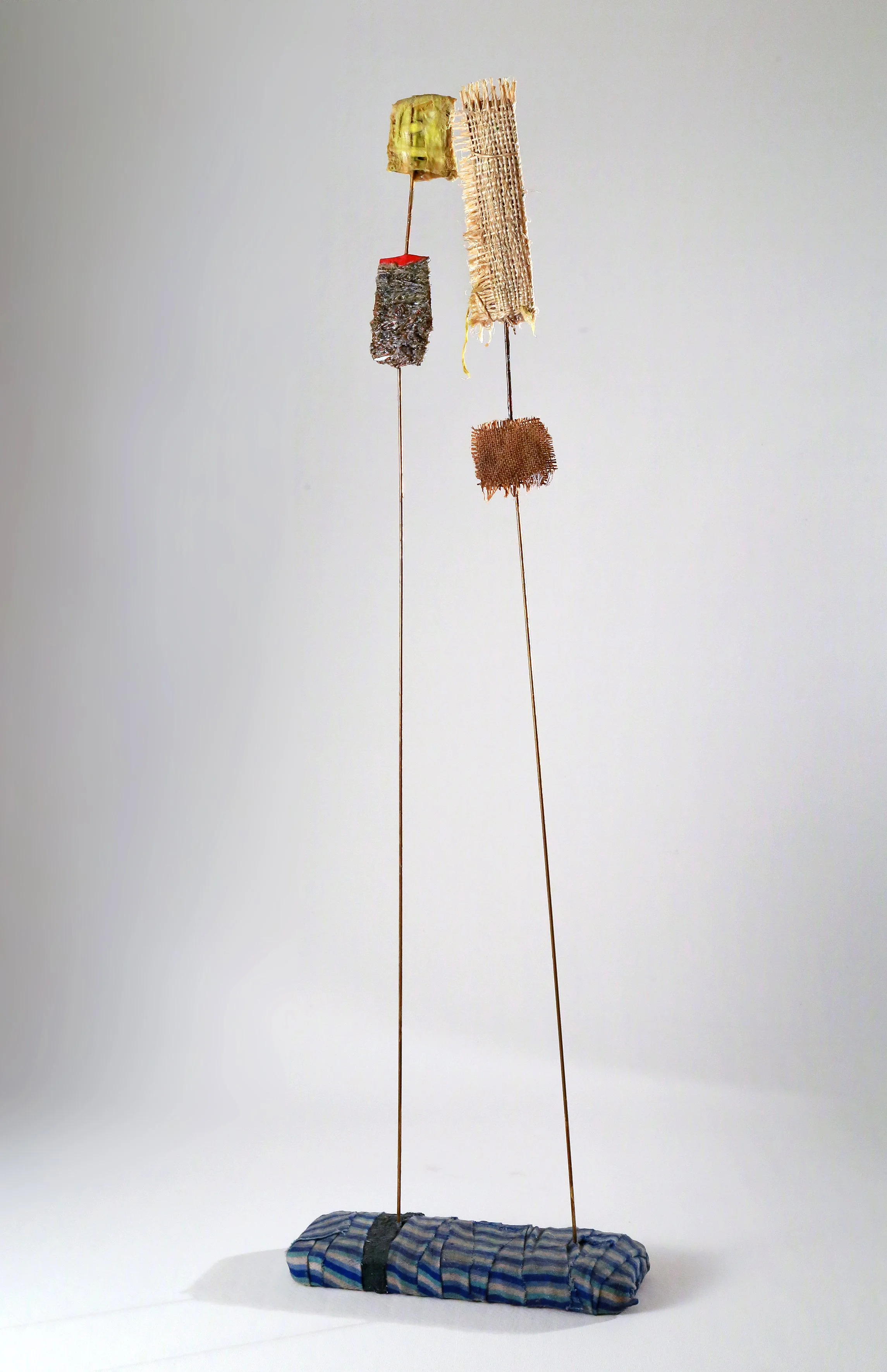
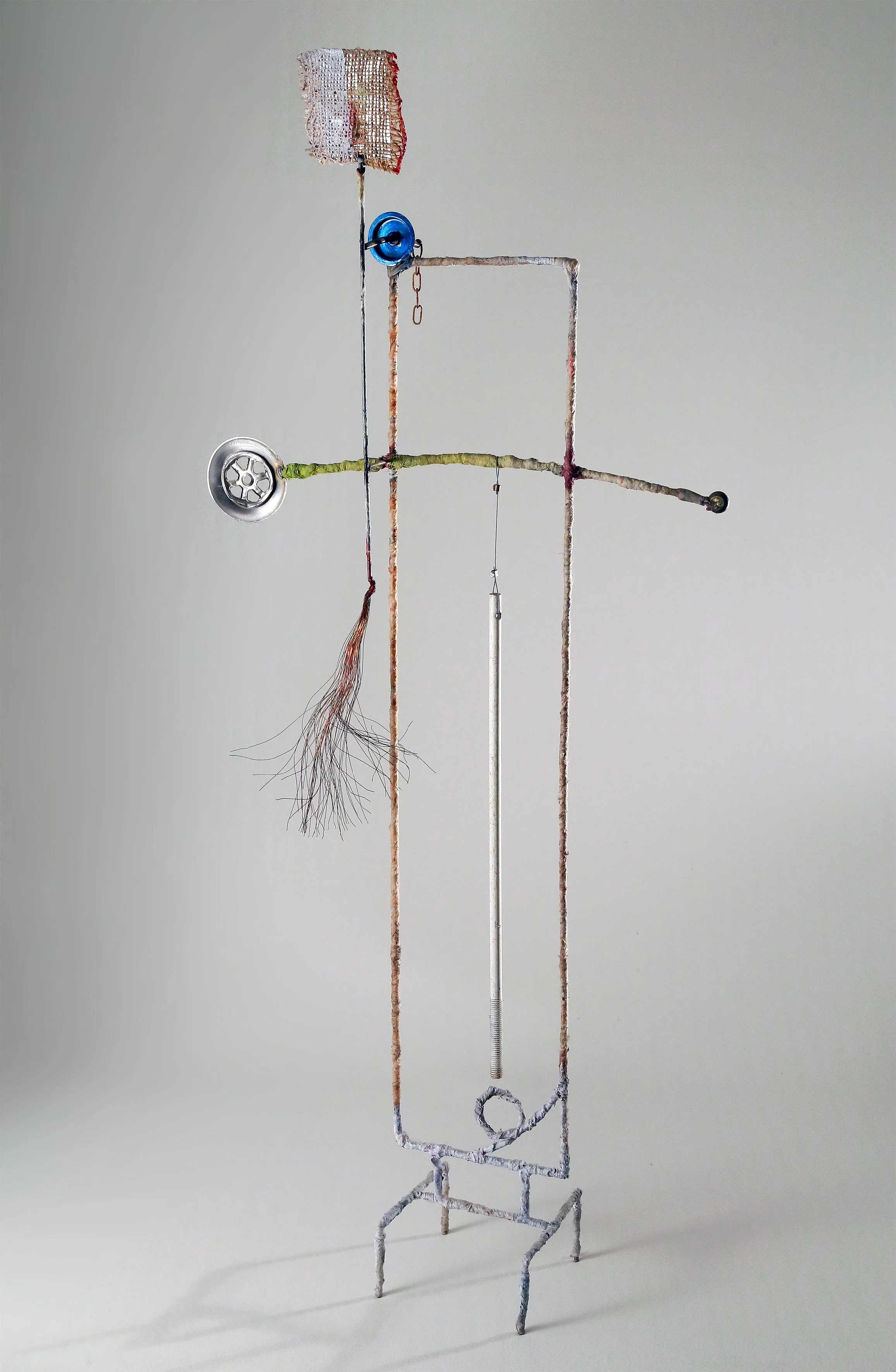
Over the following decades Marrocco developed an exceptionally varied practice. During the 1970s he created monumental canvases coloured with the smoke of pyrotechnic devices, produced performances combining gesture and sound, and worked with Ugo Carrega at the Mercato del Sale, where language became artistic material. Yet the woven Intrecci remained a constant, evolving into the Dimore, the Mappe Stellari and freestanding sculptures in which slender iron frameworks support floating planes of colour. Alongside these experimental works he established an important body of public and sacred commissions, including the liturgical furnishings for the Basilica of Santa Rita in Cascia, the bronze portals of Santa Maria di Leuca and Lecce Cathedral, and large-scale installations such as the Nautilus in Lecce. In 2002 he was named Accademico ad honorem of the Pontificia Insigne Accademia dei Virtuosi al Pantheon.
Tributes marking fifty years of his career were held at the Palazzo della Permanente in Milan in 2007 and the Palazzo della Loggia in Brescia in 2008. He participated in the Venice Architecture Biennale in 2010, and in 2016 presented an anthological survey of sixty works at MARCA in Catanzaro. More recent exhibitions include presentations in Venice and Milan curated by the critic Toti Carpentieri. Today, at the age of eighty seven, Marrocco remains one of the last living artists to have worked within the generation of Fontana and Manzoni, and one of the last to have been championed by Restany. His work stands as a singular bridge between the experimental spirit of postwar Italian art and an enduring language shaped equally by craftsmanship, industry, material and space.